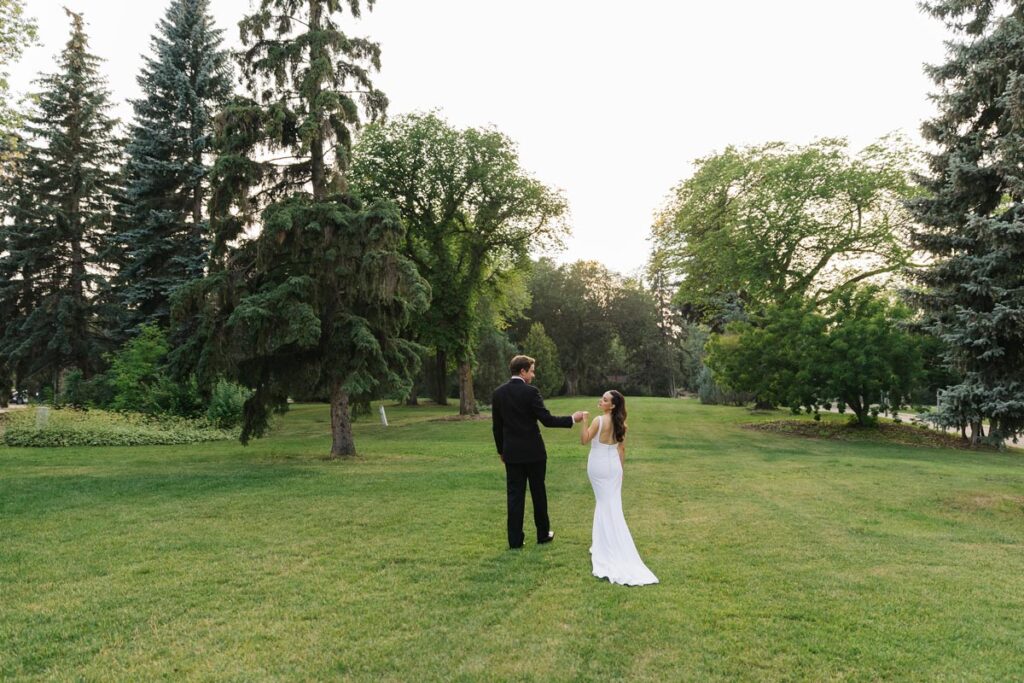
Best Time of Day for Wedding Photos
Light is the soul of photography. It defines mood, colors, shadows, and how you look in your images. As a wedding photographer Julia, I always tell couples: the time of day chosen for shooting affects the result no less than the dress or location choice. The absolute best time is golden hour (roughly 30–60 minutes before sunset), when the light becomes soft, warm, and incredibly flattering. This is when those “wow” shots happen—the ones couples later frame and put in albums.
But light changes throughout the day, and understanding these shifts helps build a timeline that maximizes beautiful photos while keeping the day comfortable. Let’s break down what each time of day offers and how to use it for your wedding.
Golden Hour — The Magic of Warm Light
Golden hour is the period when the sun is low on the horizon, creating diffused, warm light with a golden-orange hue. It’s perfect for couple portraits, wedding party shots, and even family photos.
Why it’s considered the best:
- The light is soft and even—no harsh shadows under eyes, nose, or chin.
- Warm tones make skin glow, eyes sparkle, and colors rich and vibrant.
- Long, gentle shadows add volume and depth to the frame.
- The atmosphere becomes romantic and dreamy—ideal for emotional shots.
In practice, golden hour photos are almost always couples’ favorites. These are the images where you look relaxed, in love, and truly happy. The light seems to embrace you, highlighting emotions and connection.
How to capture golden hour:
- Check exact sunset time for your wedding date (apps like PhotoPills or The Photographer’s Ephemera are great).
- Schedule main couple portraits 30–60 minutes before sunset.
- In summer (late sunsets), you can sneak away for 15–20 minutes during reception to catch this light.
- A First Look before the ceremony gives more flexibility and lets you use golden hour without rush.
 Blue Hour — Dramatic Evening Alternative
 Blue Hour — Dramatic Evening Alternative
Blue hour comes right after sunset (20–40 minutes), when the sky turns deep blue and venue lights turn on.
It produces shots with cool tones, twinkling lights, and cinematic mood—excellent for night portraits, dancing, or grand exits.
Pros: Unique atmosphere, lights add magic. Cons: Less natural light, needs a skilled photographer with off-camera flash or low-light experience.
Perfect for urban venues or winter weddings with early sunsets.
Morning Light — Calm and Gentle Option
Morning golden hour (after sunrise) offers similar softness but with cooler tones.
It’s quiet, clean, and very even—wonderful for getting-ready shots, pre-ceremony portraits, or morning ceremonies.
Pros: Fewer people, fresh feel, great for outdoor shooting. Best for early weddings or elopements.
Why Avoid Midday Harsh Sun
From about 11 AM to 3–4 PM, the sun is high overhead, creating:
- Deep, unflattering shadows under eyes and nose (“raccoon eyes”).
- Squinting and discomfort on faces.
- Washed-out colors and flat images.
Midday can work in open shade or indoors near windows, but it’s rarely ideal for main portraits. Many photographers specifically avoid this time for key shots.
How to Build a Timeline Around the Best Light
 How to Build a Timeline Around the Best Light
- Make golden hour a priority—tell your photographer it’s important to you.
- Consider a First Look—it frees up post-ceremony time for better light.
- Add buffers to the schedule—weddings almost always run a bit late.
- Have a Plan B: overcast days give soft light all day; rain can create incredibly atmospheric shots.
- Trust your photographer—we always seek the best available light and know how to work in different conditions.
The best time ultimately depends on your vision and timeline, but golden hour consistently delivers the most flattering and emotional results.
Planning your wedding and want photos that glow with warmth and beauty? I’d be happy to help create a timeline tailored to the perfect light for your day. Reach out to me—let’s make your images timeless.

